
Trading in the Forex market requires a solid understanding of various forex trading systems fxtrading-broker.com strategies and systems. The Forex market is known for its volatility, and traders need to adopt effective trading systems to maximize their potential returns while managing risks. In this article, we’ll delve into the essentials of Forex trading systems, the types available, and vital strategies to enhance your trading skills.
What is a Forex Trading System?
A Forex trading system is a structured set of rules and guidelines that traders follow when entering and exiting trades. It may be based on technical analysis, fundamental analysis, or a combination of both. The primary objective of using a trading system is to improve the precision of trading decisions and to reduce emotional interference, which is a significant factor that can lead to losses in trading.
The Importance of Having a Trading System
Forex trading systems serve as a strategic framework for traders. Without a reliable system, traders may find themselves relying on gut feelings or impulse decisions, which can lead to poor outcomes. A well-defined trading system helps in the following ways:
- Consistency: It allows traders to follow a systematic approach, ensuring that every trade is executed according to predefined criteria.
- Risk Management: Trading systems incorporate rules for managing risk, helping traders to set stop-loss and take-profit levels effectively.
- Performance Tracking: By following a trading system, traders can evaluate their performance over time, identifying areas for improvement.
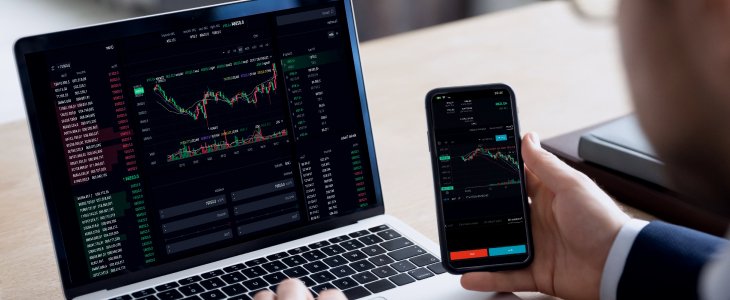
Types of Forex Trading Systems
Forex trading systems can be broadly categorized into various types, each with its unique methodologies and approaches to trading:
1. Technical Analysis Systems
These systems rely on historical price data and various indicators to predict future price movements. Traders typically use charts and technical indicators such as Moving Averages, Relative Strength Index (RSI), and Bollinger Bands to make decisions. A common strategy is to look for patterns or trends that signify potential entry and exit points.
2. Fundamental Analysis Systems
Unlike technical analysis, fundamental trading systems focus on economic indicators, news events, and other macroeconomic factors that can influence currency prices. Traders analyze reports on employment, inflation, and interest rates to determine how such factors could impact market trends.
3. Algorithmic Trading Systems
Algorithmic trading involves the use of programmed software to execute trades automatically based on predefined criteria. These systems can process large volumes of data at incredible speeds, allowing traders to capitalize on market opportunities that are difficult to identify manually.
4. Scalping Systems
Scalping systems focus on making multiple small trades throughout the day, with the goal of capturing tiny price movements. This requires a solid understanding of market dynamics and quick execution, often involving high leverage and tight stop-loss orders.
Elements of a Successful Forex Trading System
When designing or selecting a Forex trading system, there are several critical elements to consider:
- Entry and Exit Rules: These rules dictate when a trader should open or close a position based on specific criteria. Clear entry and exit points reduce ambiguity in decision-making.
- Risk Management: Effective systems incorporate strategies for managing risk, such as implementing stop-loss orders to limit potential losses.
- Backtesting: A successful system should be tested on historical data to evaluate its effectiveness and profitability before being implemented in live trading.
- Adaptability: A good trading system should be flexible and adaptable to changing market conditions. Markets are dynamic, so systems need to evolve and be adjusted accordingly.
Tips for Developing Your Forex Trading System
If you’re looking to develop your Forex trading system, consider these tips:
- Start Simple: Don’t overcomplicate your system. Begin with a few indicators or rules and add complexity gradually as you gain experience.
- Document Your Process: Keeping a trading journal helps track your performance and see what works and what doesn’t.
- Stay Educated: The Forex market is constantly changing. Regularly educate yourself about new strategies, tools, and market trends to refine your system.
- Be Patient: Developing a successful trading system takes time and experience. Avoid making impulsive changes based on short-term results.
The Role of Emotions in Trading
One of the biggest challenges traders face is emotional decision-making. Fear, greed, and hope can significantly affect trading results. A systematic approach can help to mitigate these emotions by providing a structured approach where rules govern decisions rather than fluctuating emotions. Staying disciplined and adhering to your trading plan is essential for long-term success.
Conclusion
Understanding Forex trading systems is crucial for any trader looking to succeed in the market. By choosing the right system, defining rules, and adhering to disciplined trading practices, you can greatly enhance your trading performance. Whether you choose to rely on technical indicators, fundamental analysis, or algorithmic trading, the key is to develop a system that suits your trading style and goals. As you evolve in your Forex trading journey, stay aware of market changes and continuously nurture your system for optimal results.